







Uniform monitoring overspends on stable exposure and underspends on the risky part of the book. A tiering framework built on six variables.
Preserve the record before you call the borrower. An hour-by-hour runbook for the first day after an entity status alert.
Most monitoring fails at triage, not detection. A severity model for Secretary of State changes, and what belongs in a log rather than a queue.
The binding clock for secured lenders is four months, not twelve. Where the interval actually comes from, and how it should vary by borrower.
Reinstatement is usually backdated to the dissolution date. What that does to a decision made during the gap, and why the date you knew is legally material.
Registered office and principal address are different fields with different meanings. Which address changes are noise and which are worth a call.
States record no filing when ownership changes, and US entities no longer report beneficial owners. What officer monitoring can and cannot tell a lender.
A registered agent change is mostly noise. The one case that matters is a resignation with no replacement, which opens a statutory window ending in involuntary termination.
When a borrower's Secretary of State status leaves Active, a cure window opens that varies by state. What each status costs a lender, and how long there is to act.
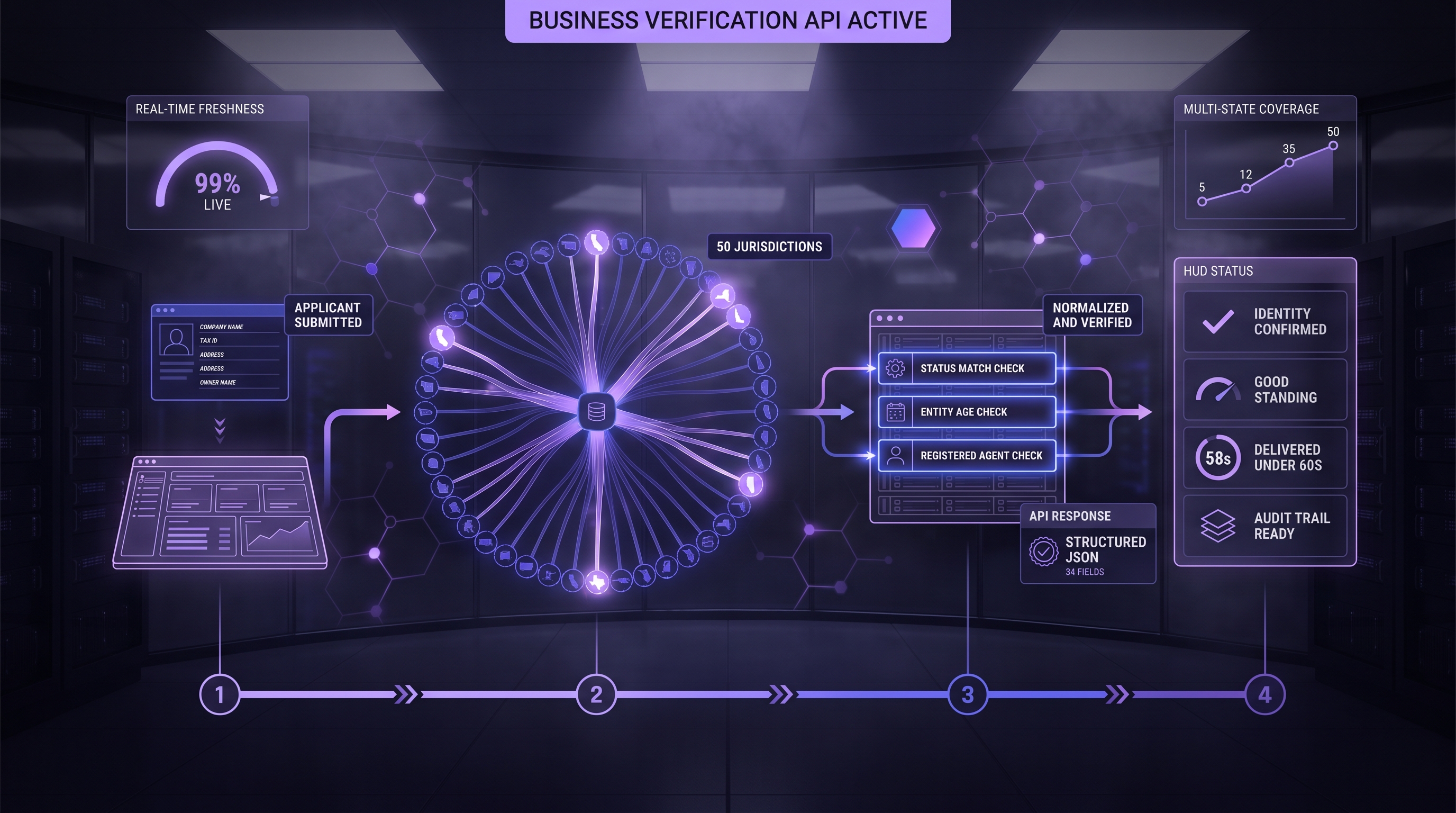
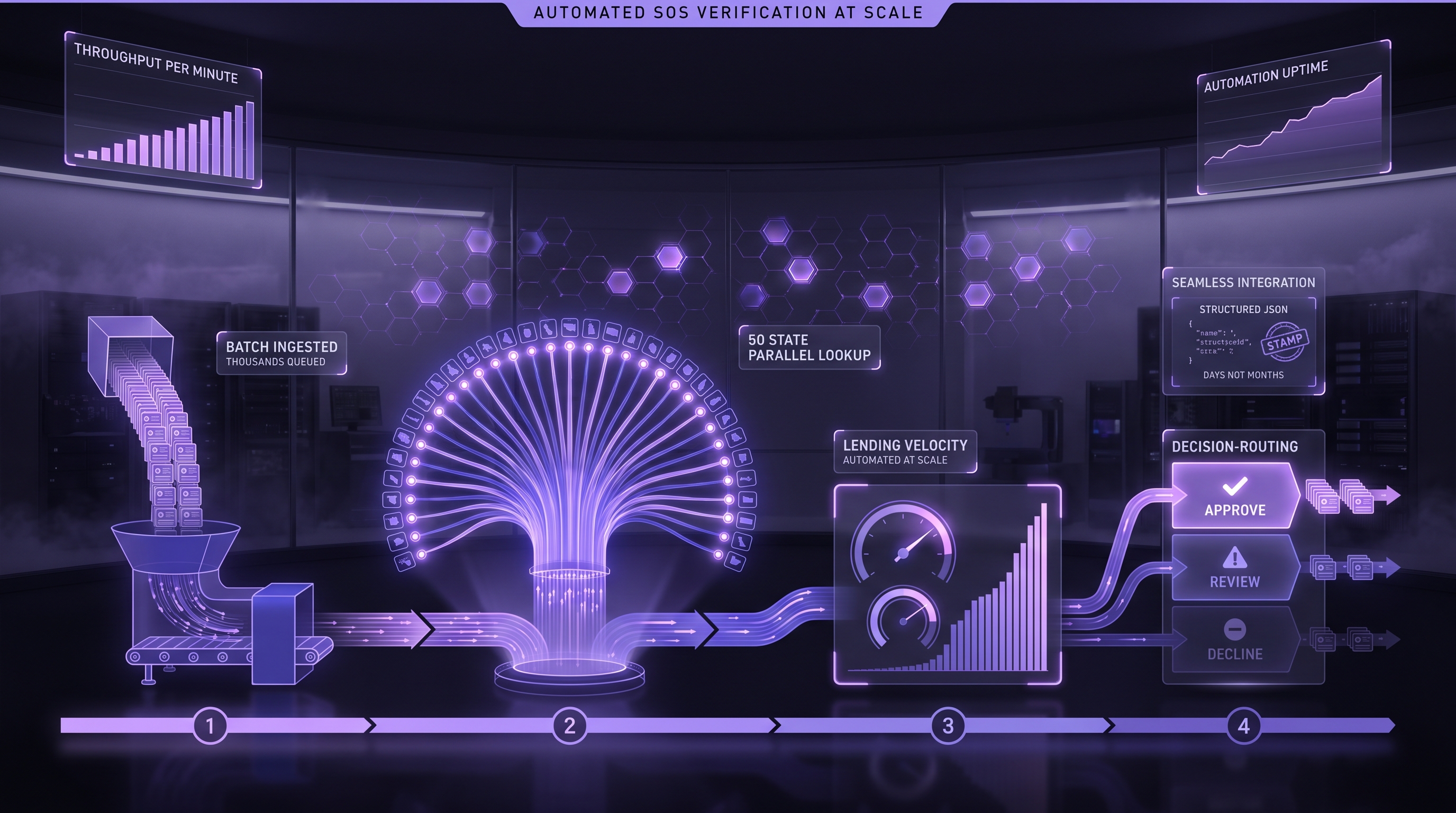
Access Real-Time Secretary of State Data and Automate your underwriting process. We help Alternative Funders work smarter through AI Technology. Get our FREE AI Tools here
Subscribe to our Newsletter!