



Executive Summary: The safe automation target for merchant cash advance underwriting is not an automatic judgment about litigation. It is an evidence pipeline that proves coverage, resolves party identity, classifies procedural posture, and sends only material cases to a reviewer. A complaint is an allegation, not a finding. A name hit is a candidate, not a confirmed party. A no-result response outside supported jurisdictions is not evidence that litigation does not exist.
Why Is a Yes-or-No Lawsuit Flag Unsafe?
Court systems are fragmented by jurisdiction and level. PACER provides federal appellate, district, and bankruptcy case and docket information.[1] State and local courts operate separate systems with different access, fields, document availability, and history.
A binary flag hides at least four questions:
• Was the relevant jurisdiction covered?
• Is the named party the applicant or a namesake?
• What role does the party have in the case?
• What has the court actually decided?
Automate evidence collection and triage. Keep identity, posture, materiality, and legal interpretation explicit.
What Is Cobalt's Current Coverage Boundary?
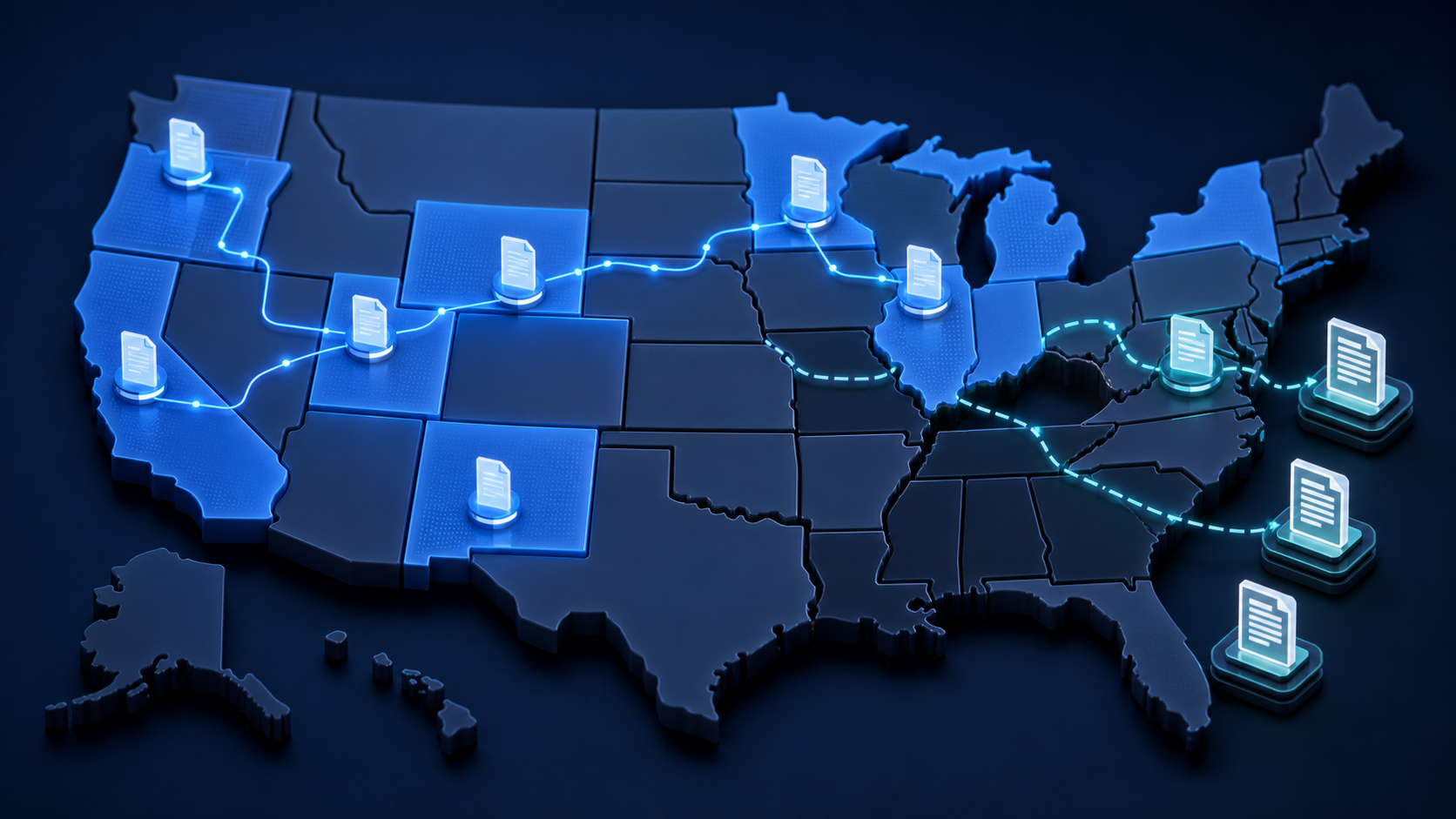
Cobalt's documented Court Records API is asynchronous and uses callback delivery. Current confirmed coverage is New York State and Miami-Dade County. It should not be presented as nationwide court coverage.[2]
Electronic access can omit older records, particular case types, documents, or amounts. The workflow must preserve a distinct state for `outside coverage` and another for `source unavailable`.
Which Identity Should Be Searched?
Begin with the verified legal business, known prior legal names, and material natural persons under lender policy. Preserve exact and normalized values.
What evidence should resolve a party candidate?
1. Exact legal name.
2. State entity identifier and jurisdiction.
3. Address where the court record exposes one.
4. Related people or entities.
5. Case geography and business context.
6. Party role in the docket.
7. Reviewer confidence and reason.
Do not confirm a party from name similarity alone. Common names and abbreviated entities create false associations.
What Fields Should the Pipeline Store?
• Search subject and aliases.
• Jurisdiction and coverage state.
• Exact query and request ID.
• Callback identity and receipt time.
• Court, case number, and filing date.
• Parties and roles.
• Case type and docket posture.
• Disposition where available.
• Source URL or controlled evidence reference.
• Analyst conclusion and policy route.
The U.S. Courts explains that PACER provides access to federal court records and supports searching by court or through its case locator.[3] That federal access should not be confused with state or county searches.
How Should Procedural Posture Be Classified?
Use neutral states based on the docket:
• Filed or pending.
• Answered or contested.
• Dismissed.
• Settled where the docket supports it.
• Judgment entered.
• Appeal pending or resolved.
• Bankruptcy proceeding.
• Unknown because documents are unavailable.
Avoid labels such as fraudulent or guilty from a civil complaint. Even a judgment requires context about the party, amount, date, satisfaction, appeal, and relevance to policy.
What Can Be Automated Safely?
Automation can:
1. Generate documented name variants.
2. Branch by confirmed jurisdictional coverage.
3. Submit and track asynchronous requests.
4. Deduplicate callbacks and cases.
5. Extract structured docket fields.
6. Compare party identity evidence.
7. Apply neutral posture categories.
8. Route cases that meet lender-defined review criteria.
Automation should not make legal conclusions from allegations or decide repayment capacity from a docket alone.
What Should the Routing Table Do?
• Covered, no candidate. Record the covered search and continue under policy.
• Outside coverage. Use an approved court or provider fallback.
• Source unavailable. Retry or hold.
• Weak name candidate. Request stronger identity evidence or close as unconfirmed.
• Confirmed party, routine case. Apply the lender's documented materiality rule.
• Confirmed party, potentially material posture. Send the docket evidence to a qualified reviewer.
• Missing disposition or documents. Keep the posture unknown and obtain the required artifact.
The New York State Unified Court System provides its own eCourts and WebCivil access routes.[4] Miami-Dade maintains a separate civil, family, and probate case-search service.[5] Fallbacks must identify the correct system and evidence standard.
How Should Callback Processing Work?
Store the outbound request before submission, require a known request ID, verify the expected callback path, deduplicate repeated delivery, and prevent an older callback from overwriting a newer search.
requested -> received -> identity_review -> posture_review -> policy_route -> closedUnknown or conflicting callbacks belong in an integration-operations queue, not in the underwriting decision.
What Should the Credit File Retain?
Retain the coverage result, exact search, candidates, identity resolution, docket evidence, posture classification, reviewer notes, policy version, and authorized outcome. If a later docket event changes the posture, create a new event rather than erasing the earlier decision record.
For the audit pattern across business-data sources, see How Risk and Underwriting Teams Should Use Automated Audit Trails.
What Should Teams Monitor?
• Searches outside confirmed coverage.
• Requests without callbacks.
• Duplicate or out-of-order callbacks.
• Name candidates rejected as different parties.
• Cases with unknown posture.
• Review volume by neutral case category.
• Evidence missing at decision time.
• Reopened reviews after a docket update.
These measures test pipeline quality. They do not prove loss reduction or underwriting lift without separate evidence.
What Is the Practical MCA Sequence?
Resolve the legal subject, determine jurisdictional coverage, run the appropriate search, preserve case candidates, confirm party identity, classify procedural posture, and route only policy-relevant evidence to a reviewer.
Cobalt can automate supported New York State and Miami-Dade searches through its documented asynchronous product. The MCA provider owns fallbacks, identity policy, materiality, legal review, credit rules, and decisions.
Ready to test one clear party match, one namesake, and one unsupported jurisdiction? Schedule a Cobalt Intelligence demo and bring the evidence your reviewers currently need.




.jpg)


.png)